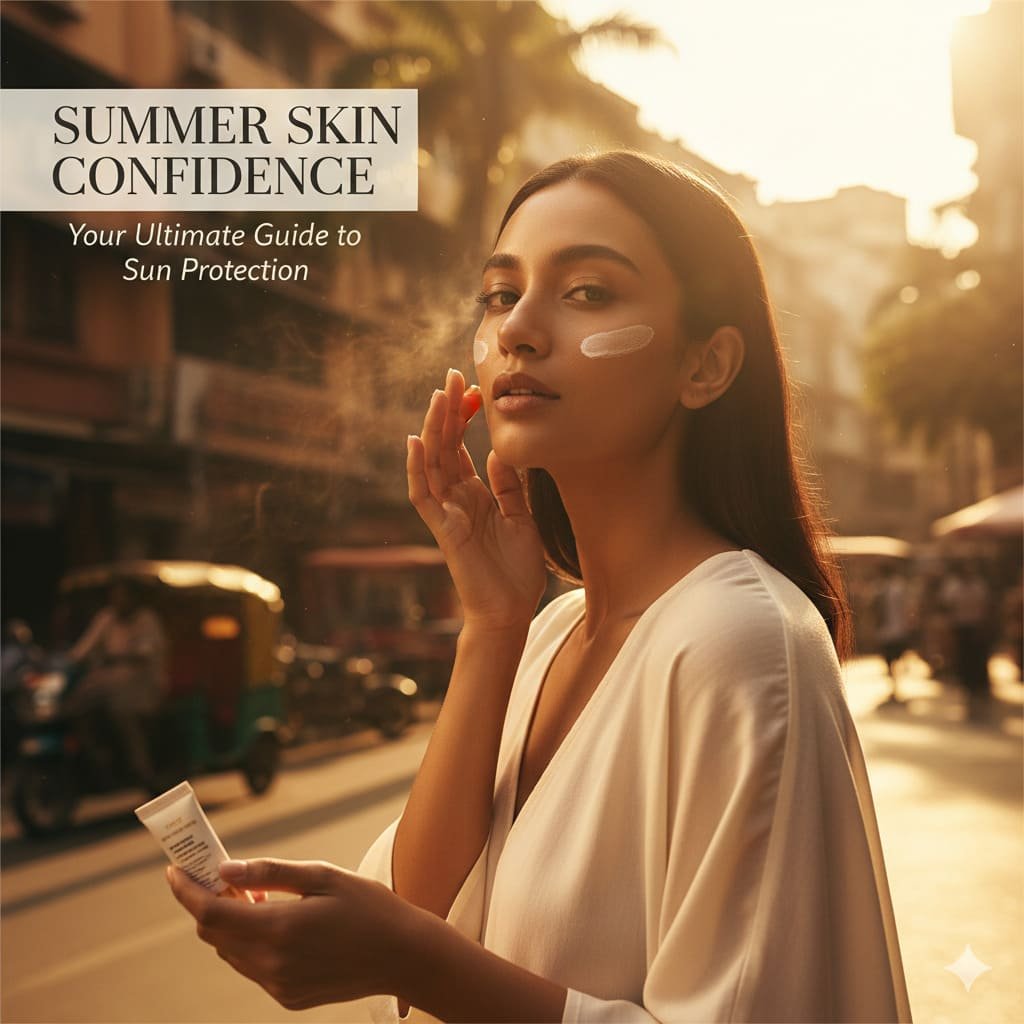

Indian summers are unforgiving. Temperatures often cross 40°C, and intense UV exposure combined with humidity can quickly damage skin. As a result, many sunscreens fail long before midday — they melt, clog pores, or feel unbearably heavy.
Therefore, instead of relying on marketing claims, we conducted a real-world heat test on three of India’s most popular broad-spectrum SPF 50 sunscreens. Our goal was simple: find the sunscreen that truly delivers heat-resistant UV protection in extreme Indian conditions.
We tested:
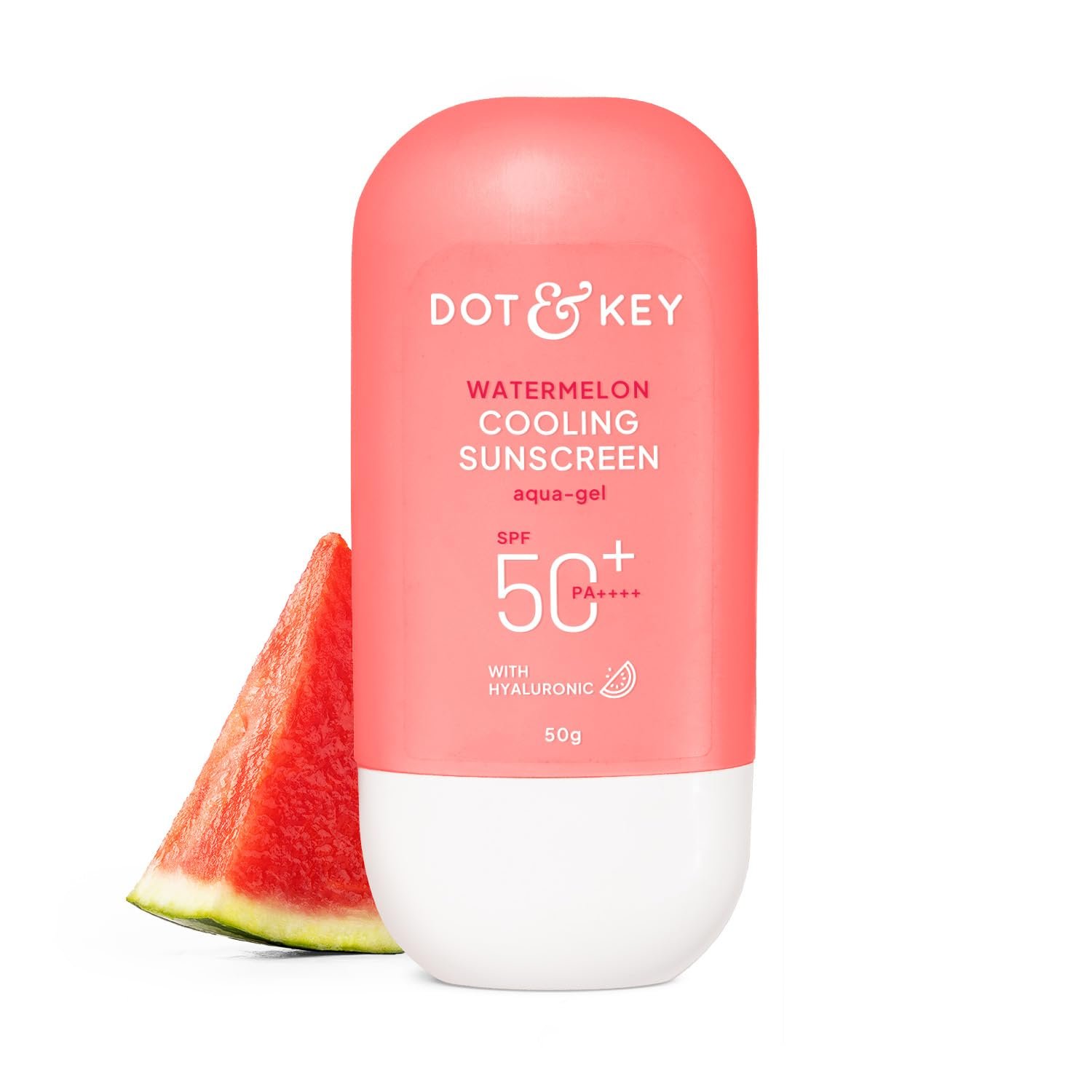
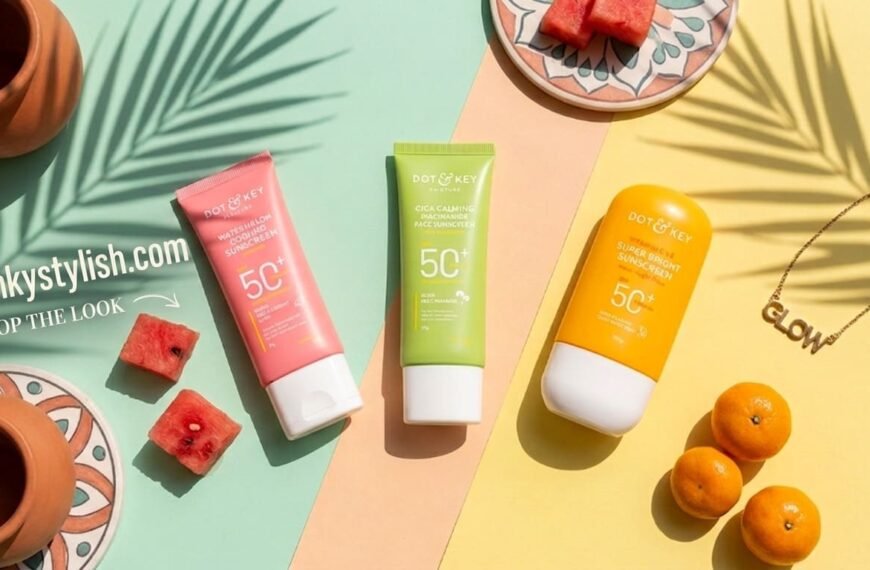
Dot & Key Watermelon Cooling Sunscreen SPF 50+
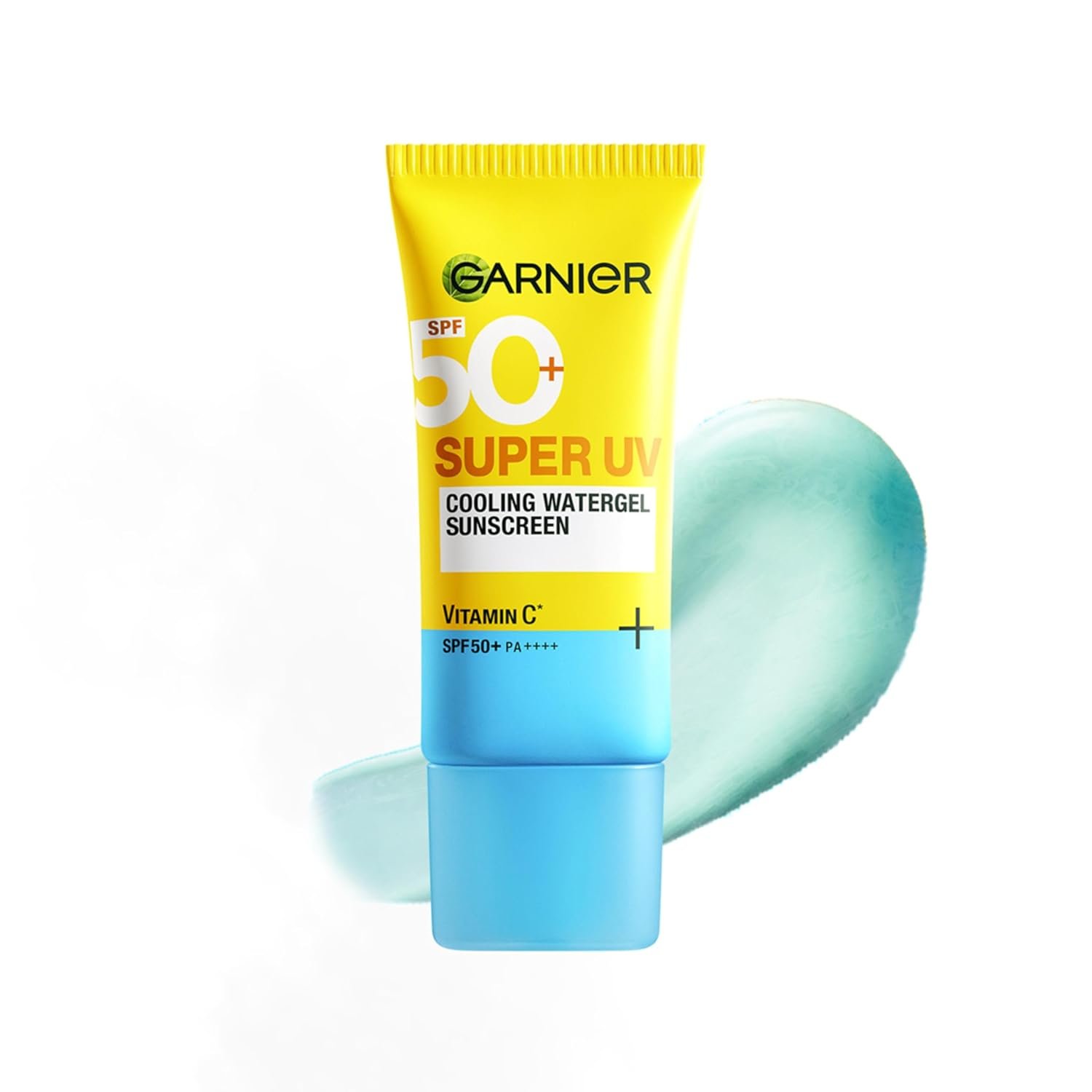
Garnier Super UV Cooling Watergel Sunscreen SPF 50
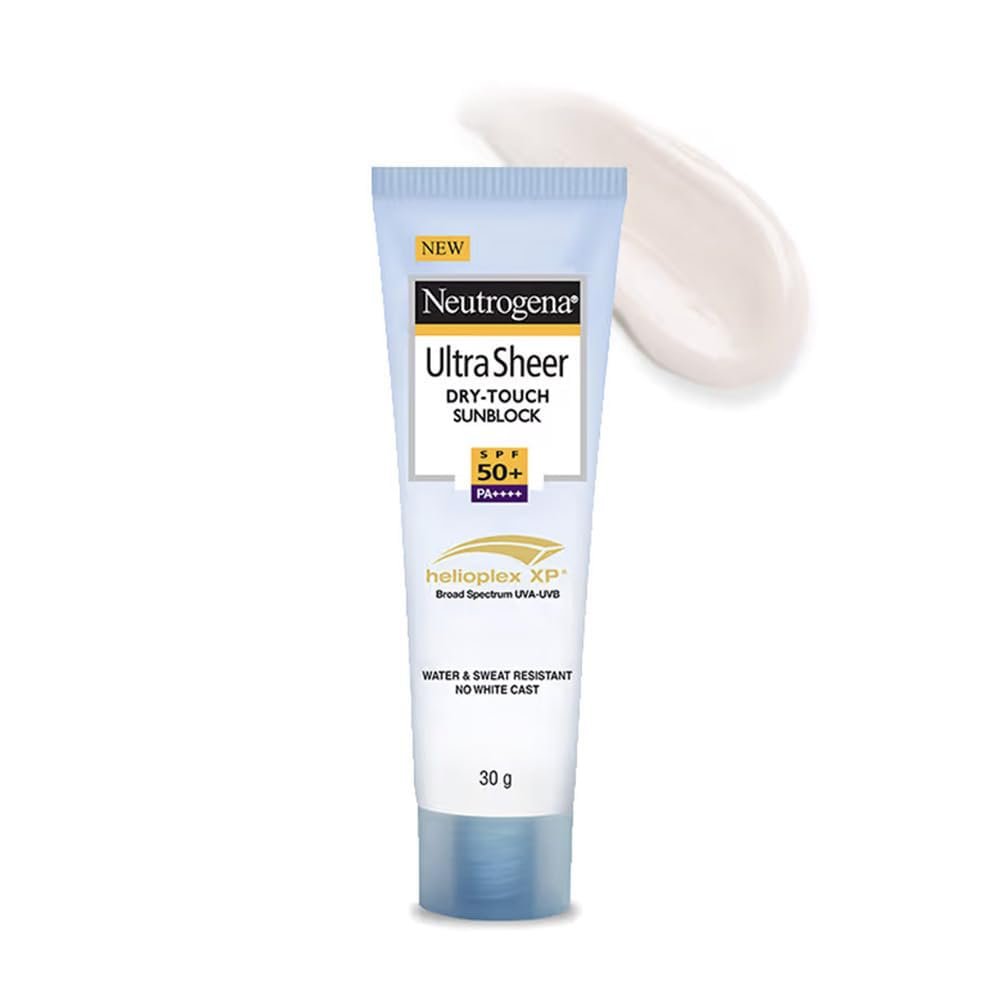
Neutrogena Ultra Sheer Sunscreen SPF 50+
Why SPF 50 Sunscreen Is Essential for Indian Summer
During Indian summer, skin faces intense exposure to UVA and UVB rays. Consequently, without proper protection, prolonged sun exposure can lead to tanning, pigmentation, and premature aging.
SPF 50 sunscreen provides:
- Strong UV protection against sun damage
- Reduced risk of tanning and sunburn
- Better defense during outdoor exposure
- Essential protection for a summer skincare routine
However, SPF strength alone is not enough. A sunscreen must also resist sweat and humidity to remain effective.
How We Tested Sunscreens in Extreme Heat
To simulate real Indian summer conditions, we performed outdoor testing under peak heat.
Testing environment
- 3–4 hours of outdoor exposure
- Temperature: 38–41°C
- Light sweating during commuting and walking
Evaluation criteria
- Heat resistance
- Sweat performance
- White cast visibility
- Comfort in humid weather
- Longevity outdoors
- Skin feel after 6 hours
Sunscreen Test Results
This lightweight gel sunscreen absorbs quickly and provides a cooling sensation. Moreover, it feels breathable even in humid weather.
Strengths
- Excellent comfort in heat
- No white cast
- Ideal for oily skin
- Lightweight daily facial sun protection
Limitations
- Moderate sweat resistance
- Requires reapplication during long exposure
Best for: Daily city use
This water-gel sunscreen spreads effortlessly and feels refreshing. In addition, it layers well under makeup.
Strengths
- Extremely lightweight
- Cooling texture
- Non-greasy finish
- Comfortable for indoor wear
Limitations
- Lower outdoor longevity
- Needs frequent reapplication
Best for: Office environments
Unlike the others, this sunscreen prioritizes durability and sweat resistance. Consequently, it performs best under harsh outdoor conditions.
Strengths
- Strong sweat resistance
- Long-lasting UV protection
- Reliable outdoor performance
Limitations
- Slight white cast
- Heavier feel on oily skin
Best for: Extended outdoor exposure
Best Heat Resistant uv Protection Sunscreen Compare
| Product | Best For | Texture | Sweat Resistance | Rating | Verdict |
| Dot & Key | Daily use | Lightweight gel | Medium | ⭐⭐⭐⭐☆ | Best lightweight sunscreen |
| Garnier | Office wear | Water gel | Medium-low | ⭐⭐⭐⭐☆ | Most comfortable feel |
| Neutrogena | Outdoor heat | Cream-gel | High | ⭐⭐⭐⭐⭐ | Best extreme heat protection |
Heat-resistant uv Protection Sunscreen Performance Scorecard
| Feature | Dot & Key | Garnier | Neutrogena |
| Heat resistance | 7/10 | 6.5/10 | 9/10 |
| Sweat resistance | 7/10 | 6/10 | 9/10 |
| Comfort in humidity | 9/10 | 9/10 | 7.5/10 |
| Longevity outdoors | 7/10 | 6.5/10 | 9/10 |
The Winner: Best Sunscreen for Hot Weather
Ultimately, Neutrogena Ultra Sheer SPF 50+ wins for extreme Indian summer. It maintained protection longer and resisted sweat more effectively. Meanwhile, gel sunscreens offered superior comfort for daily wear.
Which Sunscreen Should You Choose?
Your choice should depend on lifestyle.
- For office workers → Dot & Key or Garnier
- For outdoor commuters → Neutrogena
- For oily skin → Dot & Key
- For travel → Neutrogena
Many experts recommend rotating between lightweight and heavy-duty sunscreen depending on daily sun exposure.
Q&A About SPF 50 Sunscreens
A sunscreen with strong sweat resistance and broad-spectrum protection works best. Neutrogena performed best during outdoor testing.
Yes. Gel sunscreens feel lighter and are better for oily skin. However, cream sunscreens offer stronger long-term protection.
Every 2–3 hours outdoors. Reapply sooner after sweating.
It significantly reduces UV exposure. However, proper application is essential.
 By
By